Ukraine Update
Intro by Tom Cooper

Hello everybody!
Amid a near-total collapse of the PKK (i.e. the Pentagon-imposed ‘Syrian Democratic Forces’, ‘SDF’, in north-eastern Syria), yesterday, it’s hard to remain focused on Ukraine. Yes, so also when about 80% (and more, depending on the Oblast in question) of the country is without electricity, heating, and water supply for nearly a week.
…on the other hand, that is a logical consequence of all the incompetence and idiotism at the political- and military top of the country, and between the ‘leaders’ of its ‘allies’ in ‘the West’. We’ve described these in detail over the last two years, thus, please, be so kind and do not blame the people posting on this blog - or try explaining we didn’t tell you.
On the ‘positive side’ (and because so many are calling my insistent realism the ‘pessimism’): well, if you can imagine, the way Ukraine ‘feels’ for me these days (indeed: ‘even’ Iran is ‘feeling’ for me nowadays) is exactly the same Syria ‘felt’ for most of the last 15 years (actually: my entire life). First the decades of the genozidal Assadist regime, then the decade of the Iranian- and Russian military interventions, of the Daesh-instigated genocide, of the US-instigated terror by the PKK, Israeli aggression and subversion, and the blanc idiotism by the EU-’leadership’ (which was, and remains a bunch of incompetent pussies, so deeply corrupt and rotten that when it comes to Syria and the Middle East, until this very day it can’t do more but follow in fashion of the USA and Israel, without a trace of questioning motives and the outcome).
The decade/s of the country descending into medieval darkness.
Eventually, the Syrians have found the way out. Against all odds - especially against incredible volumes of anti-Syrian PRBS with which both the country’s population and the public in the ‘noble, democratic, and always-human-rights-concerned West’ (and elsewhere) was bombarded every single day.
The question is if the Ukrainians might want to follow in fashion. And when.
…and how many Ukrainians must die for this to happen…
Over to Don.
The Sumy and Vovchansk sectors were relatively quiet and stable.
75 km from the Russian border in Chernihiv, a HIMARS is observed firing. It is then tracked and destroyed by two drones.
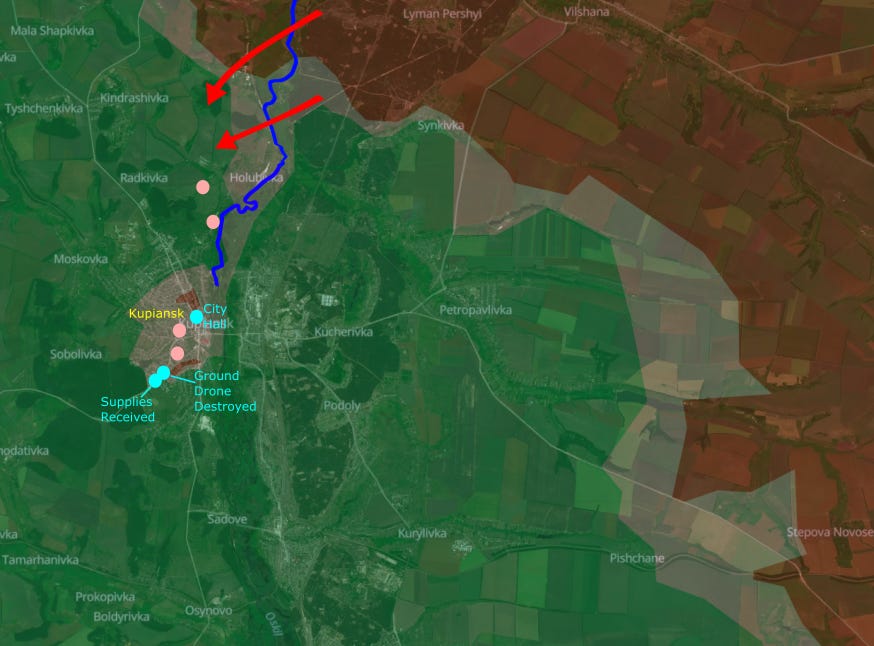
Kupiansk
Two Russians are captured in a clearing operation. A Russian air defense control station is destroyed. More attacks on Russians in the city. Along with the International Legion, the brigade clears the city hall from the ground up. There were 200 Russians in the city in December and those still alive began the week controlling about 10% of the city in isolated pockets. The front lines did not move.
For every Ukrainian killed in this battle, 27 Russians died. This is because Russian troops had to move across a narrow front that was easily monitored by drones and patrols on the ground. The Russians also had to cross a small river and most of those that tried were killed or wounded. It is a poor situation for a Russian attack but the objective was important enough for them to continue reinforcing defeat and they paid the price.
The Khartia Brigade killed 70 soldiers during a Russian attack. More Russians die trying to get into the city.
Supplies are sent to Ukrainian troops by ground drone. Not all the ground drones survive the trips, but lives are saved.
Lyman
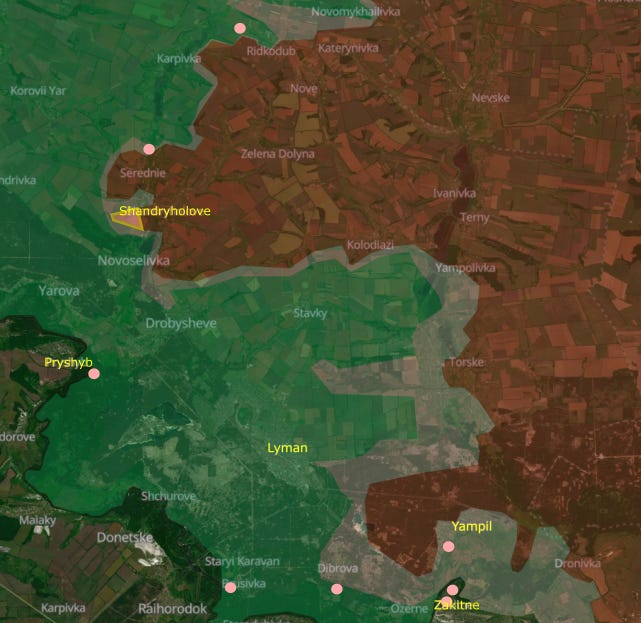
The VKS is bombing bridges over the Siversky Donets river to interdict the flow of supplies to the ZSU in this sector. Russian thermal cloaks are used to try and defeat Ukrainian drones hunting at night with little success. A Russian is killed 6 km from the ‘front lines’ near Pryshyb. With Russia taking control of Zakitne, they will soon have full control of Yampil.
Siversk
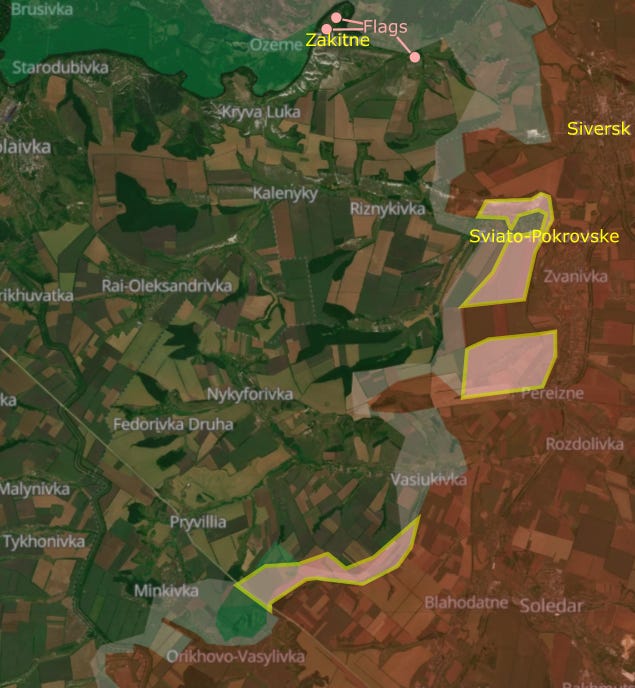
A Russian flag is displayed on the eastern end and western end of Zakitne.
Kostiantynivka
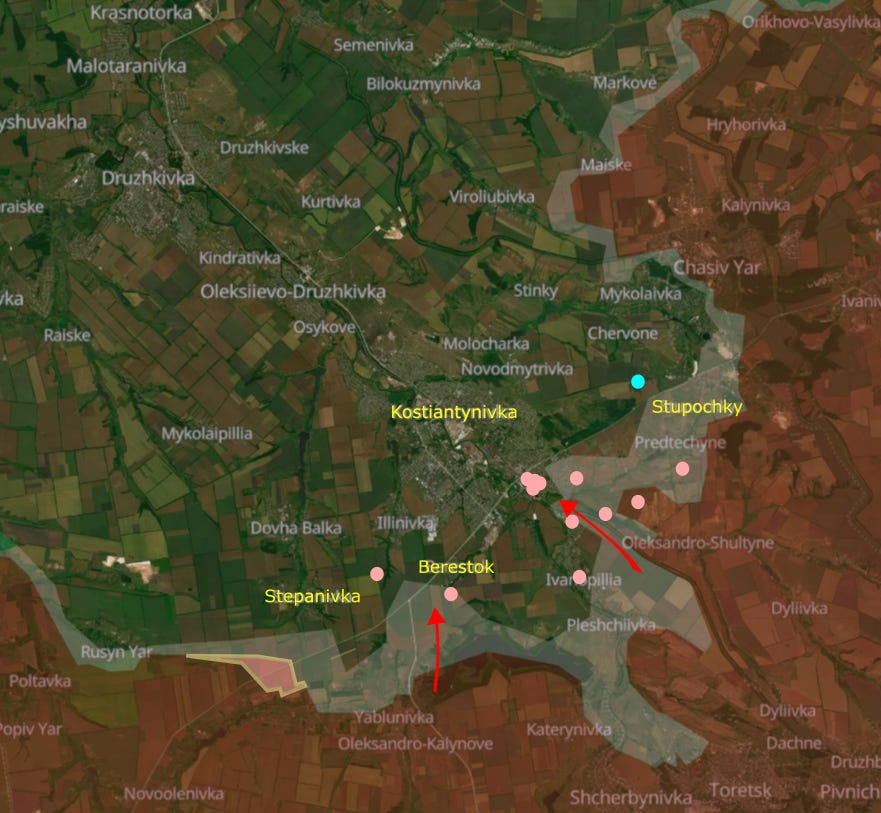
A Russian is eliminated 4 km from the frontline northeast of Stepanivka. A Russian position is attacked south of Berestok.
Ukrainian positions are bombed northwest of Stupochky.
Pokrovsk
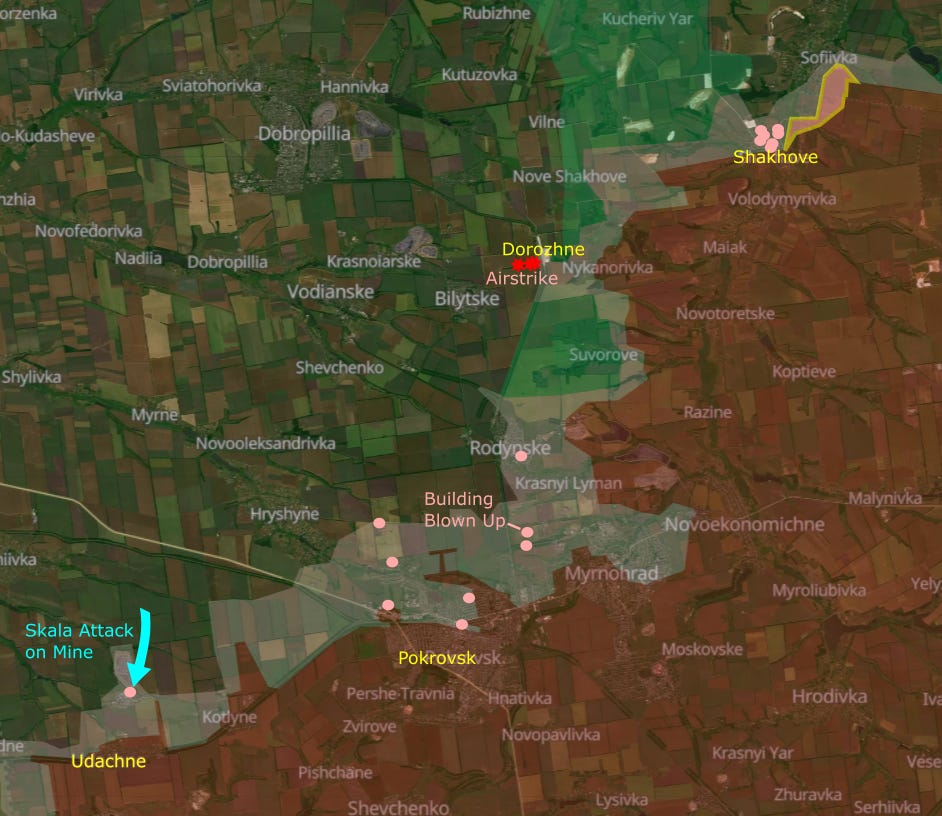
In Dorozhne, on New Year’s eve, a building with a reinforced basement and a mine shaft was a gathering place for Russian forces. Ground drones failed to destroy the position so scouts of the Rubizh carried explosives to the building and inside the basement itself. A delayed fuse was set to give the scout time to withdraw. Since the explosion, there has been no communication between the Russians in that building and their commanders. The scouts were able to make it back to friendly lines.
To the west of Dorozhne, the Russians bomb a treeline.
Russians are attacked in Shakhove.
The 79th Air Assault Brigade kills a Russian and blows up a house so it can’t serve as a collection point for further assaults.
Huliaipole
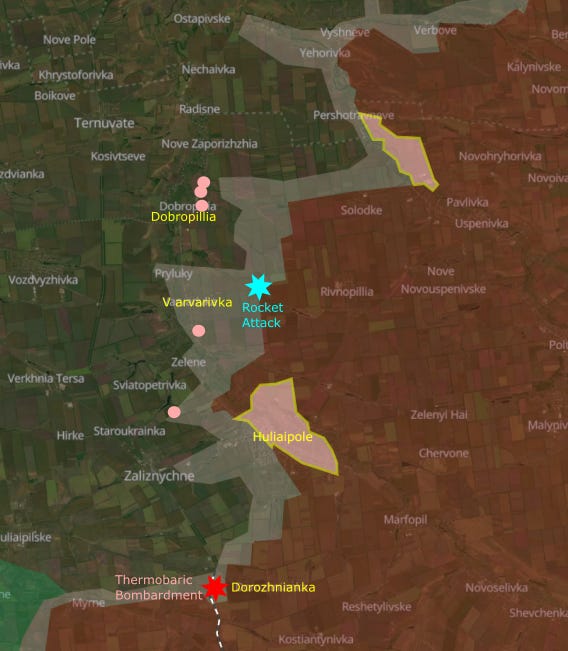
Ukraine blows up a house in Varvarivka, chasing three Russians into the woods where they were killed. Russians around Dobropillia are attacked, and a car is hit by a drone. Ukrainian targets were also attacked in Dobropillia.
Thermobaric rockets bombard Ukrainian positions west of Dorozhnianka. Rockets bombard Russian positions east of Varvarikva.
Zaporizhzhia
Five Russian air defense systems are attacked.
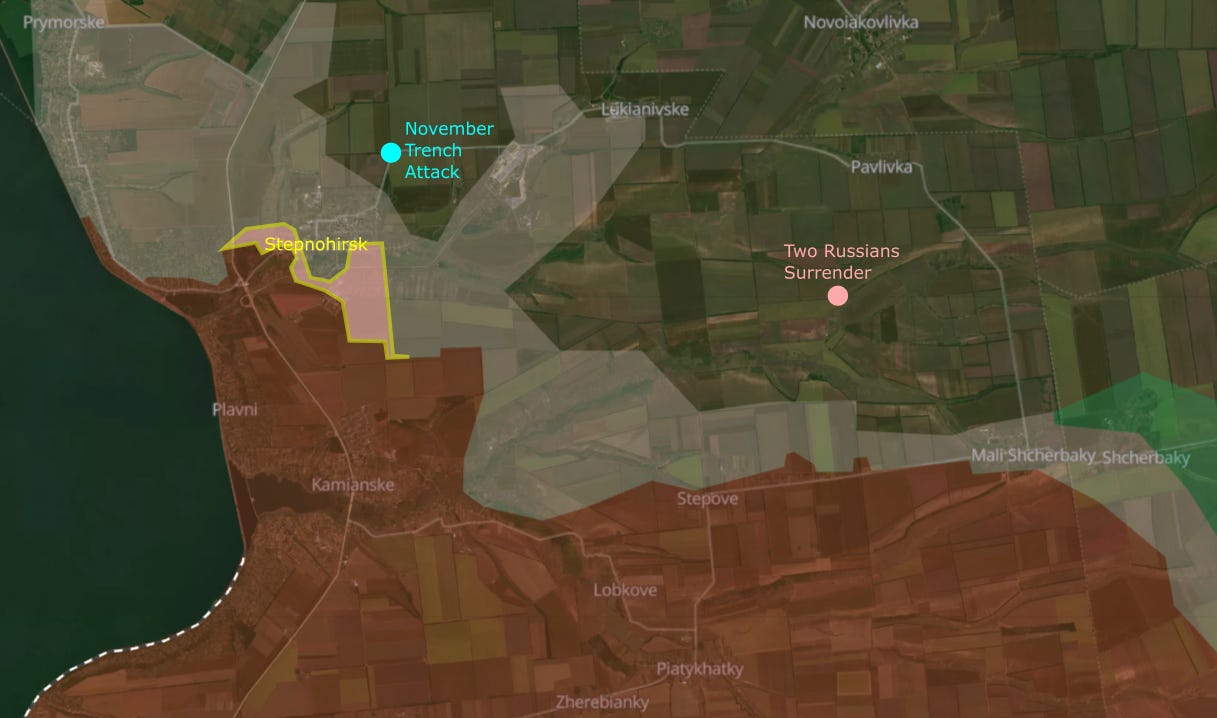
Back in November, the International Legion clears a trench. Two Russians surrender north of Stepove.
Kherson
Shaheds flying along the Dnipro river are intercepted. Two boats in the river are intercepted.
Unknown Location
A Ukrainian interceptor downs a jet-powered Shahed that is carrying an R-60 air-to-air missile.
Lasar’s Group destroys a loaded BM-21.
A Ukrainian soldier compares Russian problems in a winter environment compared to their own:
”Normal frosts have started to hit, the podars are increasingly starting to whine on radio intercepts that there is no food or water, and here the weather has also gone into the negative.
If our infantry positions, in the vast majority, at least somehow provide for the maintenance of life, especially the composition, then the podars just go ahead and forward and it doesn’t matter who you are, what you are, where you are, evacuation, if you are 300, it’s not that they don’t plan, such an understanding in principle does not exist in their heads.”
Russia
The Zhutovo oil depot was set on fire. A drone production plant in Taganrog was attacked.
The Beloshitsy, Zorya, Volnovakha and Pivdenna electrical substations were attacked.
The Caspian Pipeline Consortium (CPC) transports 80% of Kazakhstan’s oil exports and is a joint project between the governments of Russia, Kazakhstan and Oman, as well as the companies of Chevron, Mobil, LUKoil, Royal Dutch Shell, Rosneft and BP. The oil terminal at Novorossiysk has been attacked several times and has three connection points to load tankers. One is currently is offline for maintenance, another was damaged in a November attack and the third loads 800,000 to 900,000 barrels a day, when normally the terminal loads 1.7 million barrels a day. Four tankers were attacked by drones and which caused minor damage to the ships. These were Greek ships that were to carry Kazakh oil for Western countries and Kazakhstan objects to attacks on a major source of its income. There is speculation about why these attacks take place.
In the Caspian Sea, an Iranian ship sank. It was probably carrying weapons to Russia.
A thousand kilometers northeast of Moscow, a grenade in the Ministry of Internal Affairs training center wounded ten police, four of them critically. The chemical plant in Voskresensk caught fire and sulfuric acid smoke is irritating the throats and eyes of the residents.
The “Three Day Special Operation” has now lasted longer than the Great Patriotic War, in which the Soviet Union fought against Nazi Germany, as opposed to allying with them against Poland. They’ve spent $540 billion so far to destroy Ukrainian territory. Western aid to Ukraine has been $380 billion.
Ukraine
Russia conducted 612 attacks on Ukraine’s energy infrastructure. As a result, there isn’t a single undamaged power plant in Ukraine. Temperatures dropped to -18C/-4F in the hardest winter since Russia’s open invasion. 50% of their energy is imported, and curfew has been relaxed to people can move to emergency heating centers if needed. Many Ukrainians already have a portable generator but they are no longer enough. Outages that lasted a few hours in December now last an entire day. Classrooms in Kyiv could only reach 12 C/53 F. Classes were canceled until February and the missed days will be made up during the spring and summer vacations. Streetlights will run at reduced capacity, decorative and architectural lighting will be turned off and advertising signs will be limited. Some buildings have boilers for heat, gas for cooking and many families have power banks and batteries to manage during the long hours without electricity.
A worker in Lviv clears snow in -16C temperatures during a drone attack.
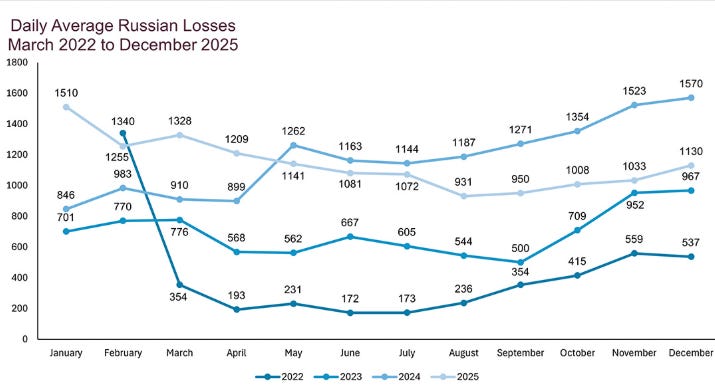
Ukrainian drones killed or caused irrecoverable wounds in 16k Russian soldiers in July, 14k in August, 18k in September, 24k in October, 26k in November and 33k in December. 106k targets were hit in December, a 31% increase from November. Also in December, 128 air defense and radar systems were hit, which is a new high. With all the casualties, Russian troop levels are no longer increasing. It was expected they would have 800k troops in Ukraine by the end of 2025 but they have just over 700k troops now. Ukraine has an aspirational goal of causing 60k Russian casualties per month from drones. That is a lofty goal, but if it were ever to be achieved, it would eventually eliminate Russia’s offensive capabilities and create opportunities for limited operational offenses.
A reader pointed out that Ukraine has organized a 3D printing army to produce drone, medical and other useful parts. Orders from units are submitted and then volunteers fill the orders with their own printers and send the parts to the unit. They recommend that the printers should be bought and used in Ukraine so that the money saved on shipping can be used for other needs, such as the 31,512 kg of plastic used to print parts each month. Over 2,600 volunteers using over 6,900 printers are working in the Druk (Print) Army, and 7,200 orders from the Ukrainian army are waiting to be filled.
“Svoboda” Interviews a Ukrainian Pilot
A Ukrainian pilot said that when the Russians openly attacked Ukraine in 2022 his unit was on alert but he heard about the war starting from his mom before his chain of command called him. Some missiles struck their airfield and damaged some planes. He and his fellow pilots were able to take off in the remaining undamaged planes but were blocked for a short while by a plane blocking the exit.
The Russians could have destroyed all the aircraft but didn’t and in a few hours they were launching attacks from a temporary airfield. For several days the Russians didn’t know where their base was, but then they discovered it and more planes were lost to missiles.
They flew a lot and attacked columns of Russian vehicles. That was not the normal task for them and they took a lot of losses, but these attacks helped save Kyiv.
He flies the MiG-29 and hunts drones and missiles. The electronics has some issues, especially when the Russian drones are flying close to the ground, but he’ll shoot at least one drone or missile down on every mission, and on a good mission he’ll shoot down 2-3 drones or missiles.
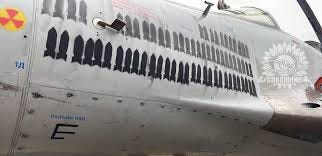
They also bomb targets on the front lines or behind the Russian lines. The biggest threat to Ukrainian bombing missions are the Buk air defense systems because their missiles are large and stationed close to the front lines. The bombs and missiles they use are provided by their Western allies and are highly effective. They are constantly coming up with new ways to avoid Russian air defenses with their older Soviet-made aircraft. When they finally switch to the newer western aircraft they’ll significantly upgrade their capabilities.
Diplomacy
Nearly four years after the open invasion, the UK found a legal reason to board and detain shadow fleet ships.
A cargo ship registered with Tuvalu brought 33,000 tons of ferrous metals from Novorossiysk to the Italian port of Bridisi. While near Novorossiysk, the ship disabled its GPS receiver and transponder. Italian authorities bordered the ship, which had no logos or markings, and seized it after discovering multiple violations, such as falsified shipping documents and serious inconsistencies.
The oil tanker Arcusat was listed in maritime databases as having never existed, so German authorities likely turned it away from its waters and it reversed course and started sailing to Russia’s Arctic coast.
Germany is investigating Goettle Advanced Products because its epoxy resin is being used to create Shahed drones in Alabuga.
Yan Petrovsky was the commander of the Rusich group associated with Wagner. After committing war crimes, he lived in Finland under a false name when he was arrested. He has since been convicted and sentenced to life in prison.
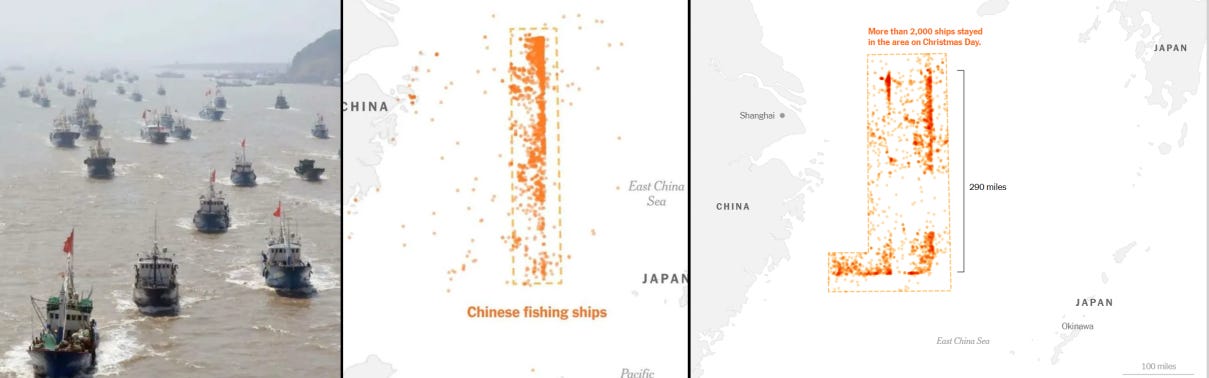
A month ago, Chinese fishing ships gathered off the coast of Peru in a coordinated effort and turned off their Automatic Identification System (AIS) to enter Peru’s Exclusive Economic Zone without being identified and strip the waters of as much fish as they can catch. As they have for decades, China continues to build islands in order to lay claim to the surrounding waters of the western Pacific, and rammed and attacked non-Chinese fishing boats that were in their own nation’s territorial waters.
Trump threatened to attack Iran if they killed any protestors but did not follow through with that threat. He then threatened to attack Iran if they execute any prisoners. Iran did refrain from executing a prisoner after threatening to do so. The different Gulf States have relations with Iran that vary from friendly to hostile. None of them want the US to bomb Iran because of their fear of what Israel might do in the vacuum if Iran was no longer a regional threat.
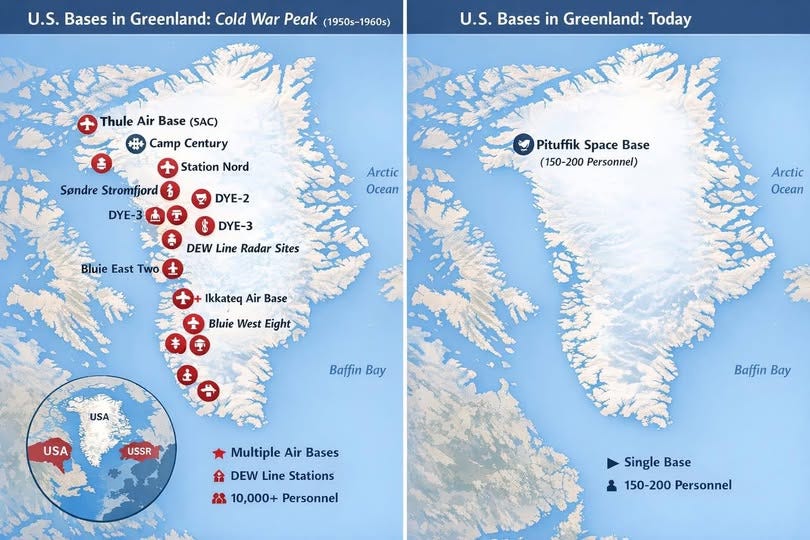
The threat of an invasion of Greenland by China or Russia is absurd. They do not have the force projection capability, and NATO assets, which includes the US, would detect and intercept any notional force. If the US feels Greenland is under protected from such a fantasy, they could build additional bases. None of it requires the colonization of Greenland by the US. Those given reasons are lies, of course. Denmark plans to spend $1.5 billion on defenses in Greenland, money it could have used elsewhere, and a symbolic number of troops from Germany, UK, Sweden, Norway and France were sent to Greenland. This video shows the history of US bases on Greenland.
Denmark, Norway, Sweden, France, Germany, the UK, the Netherlands and Finland will have 10% tariffs imposed on them in February for opposing American aggression against Greenland. The rate will climb to 25% in June. In response, Macron is calling on the EU to enact its Anti-Coercian Instrument, aka the trade ‘bazooka’, that was designed with China in mind. This would severely restrict not just American goods, but services and investments in Europe. As with all trade wars, this would hurt European economies, as well, but since Trump cannot regulate his behaviors in a socially acceptable manner, an increasing number of people are starting to draw lines in the sand.
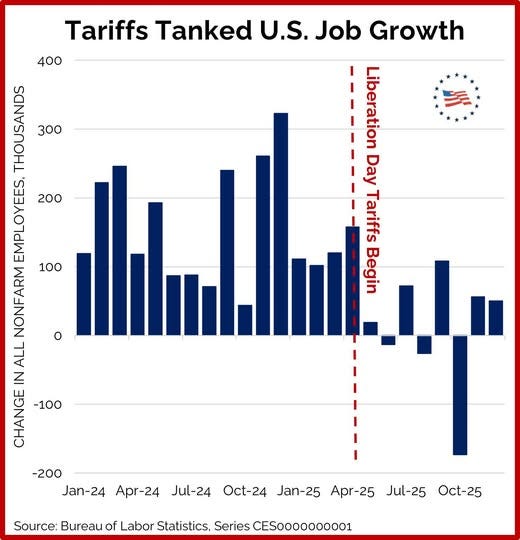
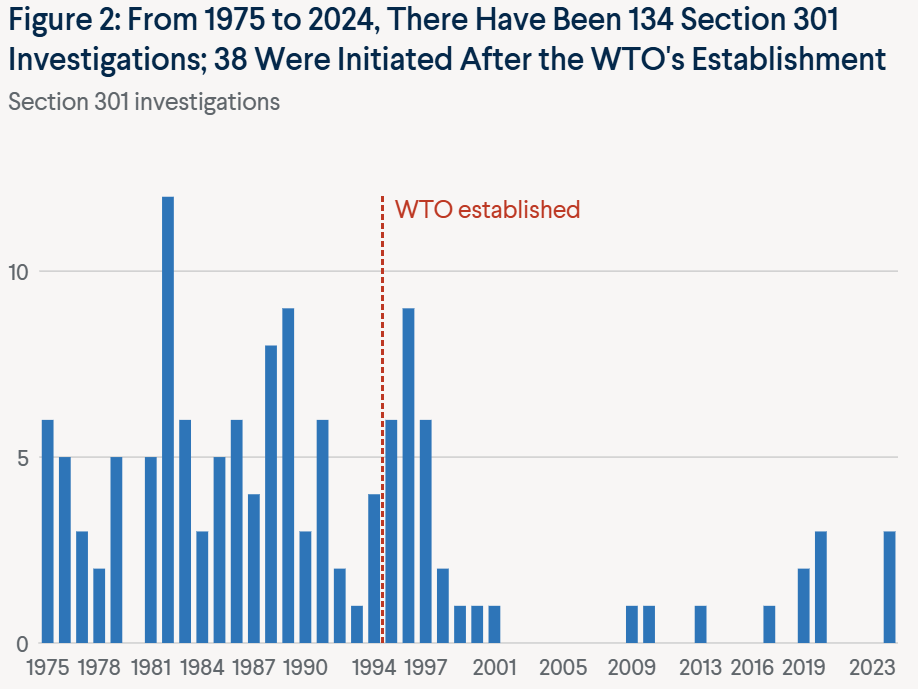
Russia is a bad neighbor. The US is increasingly becoming a bad neighbor, but of the Democratic and several of the Republican lawmakers have openly opposed aggression against Greenland and Denmark. Republican Don Bacon said, “It’s utter buffoonery to think that we should compel Greenland to be part of the United States,” and he’d consider impeaching Trump if he decided to invade Greenland. As usual, much of the open Republican opposition comes from politicians that plan to retire, but this time Republican politicians that plan to run again are also voicing opposition.
Trump threatened to bomb Iran if they killed protestors, promising help is on the way. About 5,000 have been killed. Trump then changed the threat to bomb if any of the 800 prisoners were hanged. None of them were reported hanged, satisfying Trump’s ever-changing demands.
The US seized a tanker that left Venezuela without government permission. The Vice President under Maduro, Delcy Rodriguez, is now the president and Trump calls her an ally.
The US Drug Enforcement Administration has been tracking Rodriguez since 2018 and in 2022 labled her a priority target. She associates with drug traffickers and gold smugglers. She is reportedly using hotels as a front to launder money. She is associated with Maduro’s bag man, who was arrested in 2020 for money laundering.
The US painted a military aircraft to appear as a civilian aircraft when they sank the first Venezuelan small boat back in September.
The Senate Democrats and five Republicans were prepared to prevent Trump from taking any further action in Venezuela without consulting Congress first, which would be their constitutional duty of providing a check on the power of the executive branch. Trump threatened the five Republicans, saying they should lose their jobs, and two of them changed their votes. That created a 50-50 tie. Vice President Vance broke the tie and the bill failed, and Congress failed once again in its duty to provide a check on presidential powers.

The Venezuelan embassy in the US is currently vacant. A diplomat representing the government arrived in Washington DC to discuss opening the embassy. Trump also met with opposition leader Maria Corina Machado. The US engaged two brokerage firms to sell 50 million barrels of Venezuelan oil that was in storage, unable to move because of the blockade. 4 million barrels have already been moved, and without those sales the Venezuelan economy would crash. The US has no legal authority to see the oil, and the sales have no oversight or accountability. When the oil was sanctioned, it was being sold at $30 a barrel to China. It is now being sold at $50 a barrel and will probably end up in US refineries. Planned increases in oil production could increase the country’s GDP by 10-12% next year.
Venezuela owes $170 billion to bond holders, foreign companies, and Chinese and Russian creditors. Trump said that they will not receive any money from the oil sales. Venezuela also has no control of the money. The oil sales so far amounted to $500 million and most of that went to a Qatar account controlled by the US. Qatar recently gifted Trump with a $400 million plane. Qatar has been a facilitor of fund transfers between the US, Venezuela and Iran before under both Biden and Trump administrations, but it is also a potential opportunity to evade US oversight in the pursuit of corruption.
The president expressed frustration that his Republican Party could lose control of the U.S. House of Representatives or the Senate in this year’s midterm elections, citing historical trends that have seen the party in power lose seats in the second year of a presidency. “It’s some deep psychological thing, but when you win the presidency, you don’t win the midterms,” Trump said. He boasted that he had accomplished so much that “when you think of it, we shouldn’t even have an election.”
Equipment
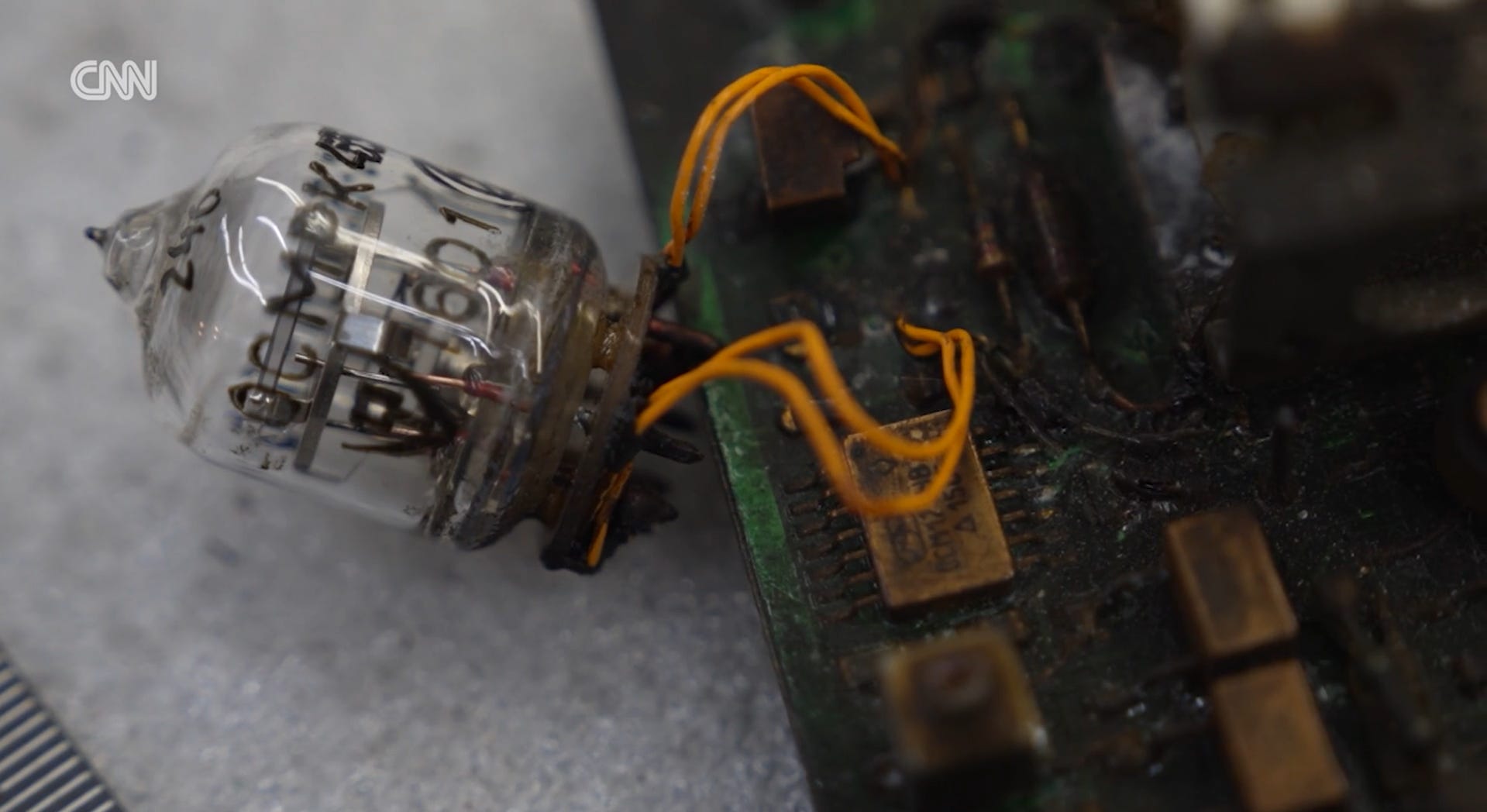
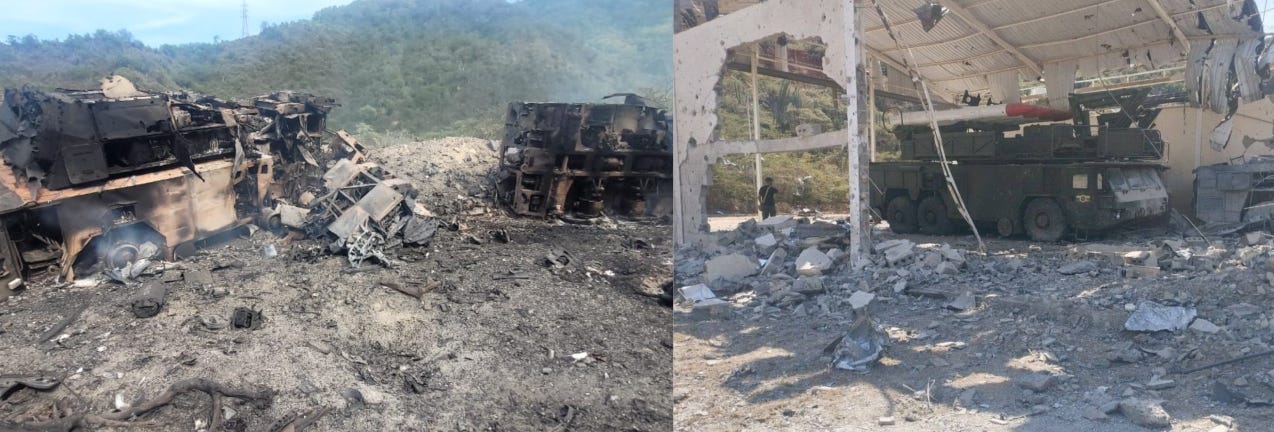
Russia sold S-300 and Buk air defense systems to Venezuela but did not provide the technical support to keep them operational, as stipulated by related contracts. In 2019, Russia proposed that it would stop supporting Venezuela if the US would stop supporting Ukraine. During the Trumpf’s raid to arrest Maduro, on 3 January, the Russian-made Venezuelan air defence systems were quickly knocked out by electronic warfare that included a combination of disruption of communications, power outages, and severe jamming. At least three Buk-M2E systems are meanwhile known to have been knocked out by direct strikes, too.
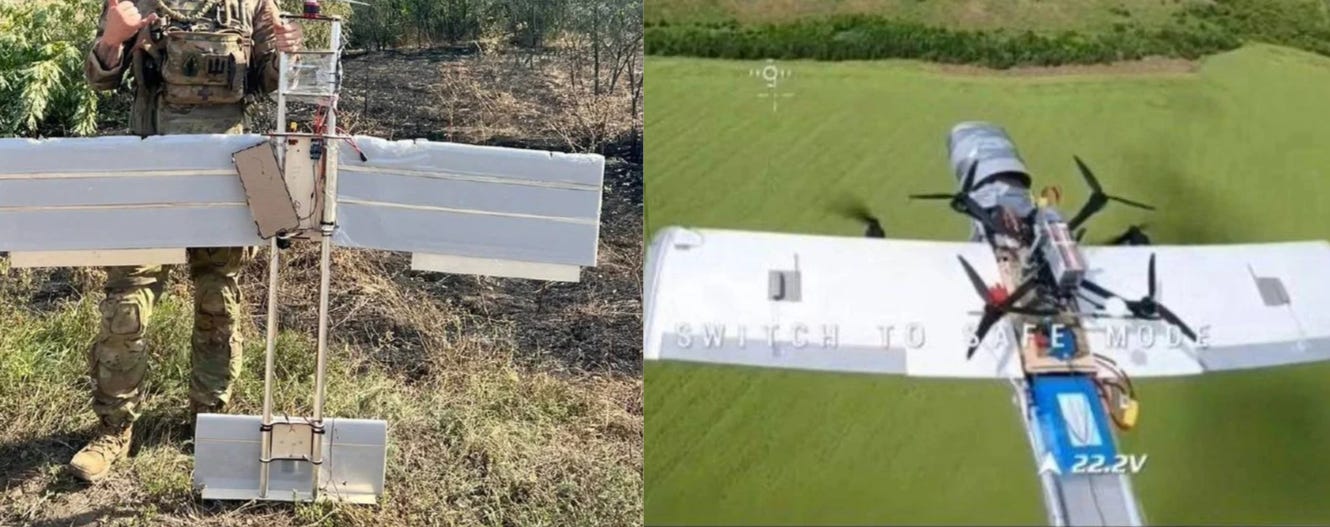
The Molniya is an inexpensive drone made of plywood, plastic and aluminum tubes that can be assembled at any decentralized production location. Most of its key components are imported, primarily from China. It used to be that Ukrainian vehicles were safe 18-20 km behind the front line but that changed in 2024 when the Molniya drone started operating at ranges up to 50 km away. The maximum payload is 10 kg, but that greatly shortens the range. With a payload of 3-5 kg, the drone has a range of 30 km and can fly for 40 minutes. It is controlled through radio waves that can be jammed, or it can sacrifice the payload weight by carrying a spool of fiber optic cable which makes it immune from jamming. Recently, Molniyas with gyro-stabilized cameras were used in reconnaissance versions, allowing them to provide stable images during high-speed flights and maneuvers.
Italy and France started development on the SAMP/T NG in 2021 as a replacement for the SAMP/T. Ukraine will receive the first 8 of the new systems starting in 2026. Denmark selected the SAMP/T NG as its air defense system in September 2025. In addition to the system’s capabilities, it has the advantage of not relying on the United States and its hostile attitude towards Europe.
The radar has a range of 400 km in 360 degrees and can track 1,000 targets. The missiles can engage ballistic missiles and other aircraft at an altitude of 25 km and a range of 150 km, and at speeds of up to Mach 4.5. It is a self-propelled system with a crew of 20.
The quality of the systems has always been high but the missile production rate has been very low. Standard UMPK bombs launched from Russian jets can reach up to 70 km. Turbojet-assisted UMPK bombs have a range of about 120 km.
Laser-Guided Munitions in Ukraine
During the Vietnam war, the US was flying modern jets but they dropped WW2 munitions and got WW2 results. In 1964, an Air Force colonel was watching Martin-Marietta engineers using something called a laser to illuminate a plywood target being towed 600 meters away. The first laser was built in 1960 and the engineers were hoping it would guide an anti-tank missile but the colonel thought it might be able to steer a bomb.
A few months later, Texas Instruments met with the colonel to talk about a laser-guided surface to air missile, but the colonel asked them to work on a laser-guided bomb. The engineers developed a kit in which the sensors field of view was divided into four quadrants. When the light appeared in one quadrant, the tail fins moved in one direction. If it appeared in a different quadrant, the fins moved in another direction. The first operational tests began in 1966 and by the sixth bomb drop it was hitting within three meters of the target.
Further testing and production led to the first combat test in 1968. It was a failure, missing by a wide margin, and the debriefing provided the answer to why it failed. The laser designator had to be pointed by the weapons officer in one jet while a second jet dropped the bomb. One bridge was illuminated by the first jet while the second jet dropped the bomb at another bridge 900 meters away. Once they agreed on the target in the next mission, the bomb hit and destroyed the bridge. The accuracy increased from 5% with conventional bombs to 50% with laser-guided bombs.
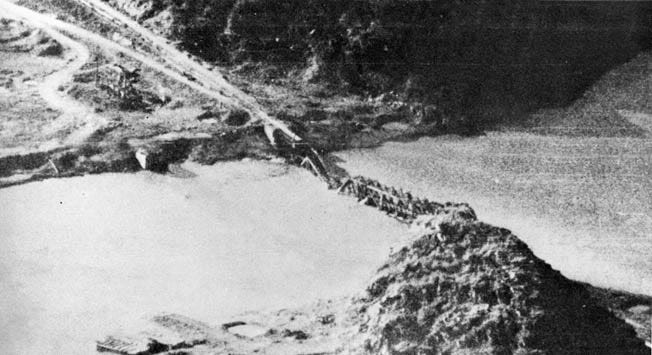
That same year, Johnson put a bombing moratorium on targets in North Vietnam. When it was lifted in 1972, the Air Force targeted the Thanh Hoa Bridge. Previously, 869 raids failed to destroy the bridge and 11 aircraft were lost. This time, ten jets dropped their new Paveway laser-guided bombs and the bridge was destroyed. Between 1972 and 1973, more than 10,500 laser-guded bombs were dropped. 5,100 were direct hits and 4,000 landed within 8 meters. They were 100-200 times more effective against hard targets and 20-40 times more effective against soft and area targets.
In the Cold War years after Vietnam, it was decided that quality might be able to overcome the Warsaw Pact’s numerical advantage and other precision weapons were developed using TV cameras, GPS, IR, anti-radiation, radar and wire-guided munitions. During the Gulf War, only 9% of the bombs dropped were precision-guided but they were responsible for 75% of the damage done.
The M982 Excalibur artillery shell started production in 1997 and used a gyroscope and GPS with a range of 50 km. A thousand rounds were sent to Ukraine in October 2022 and initially the 70% direct hit rate greatly appreaciated. By March 2023, one artillery commander stopped using them because their hit rate fell to 6% due to Russian jamming that blocked the GPS signals. The shell could have been used a laser designator, as well, but that was never done for the $80,000 round.
The M712 Copperhead was a laser-guided 155 mm artillery round that was designed to destroy enemy tanks illuminated by a forward observer using a laser target designator. It was first fired in 1972 and when it went in production it cost $22,000 per round. It had a range of 16 km, but the forward observer needed to keep the laser on the target until impact, which is difficult to do if the target is moving or at a long distance, and it was significantly less effective if there were heavy clouds or low visibility conditions. It was used against artillery, radars and observation posts in Iraq in 1991. It was then pulled from service and 20,000 rounds were put in storage, but some of them were used during the 2003 Iraq war, as well. Two decades later, some of the shells were sent to Ukraine.
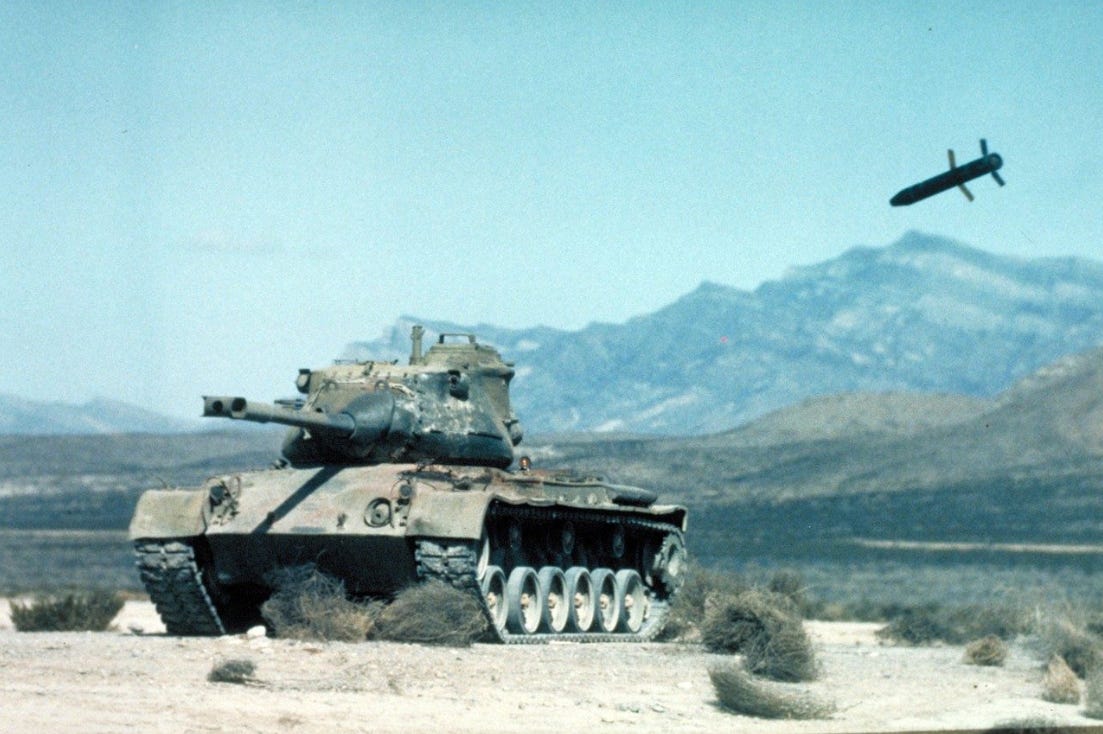
Until Russian air defenses started shooting them down, the Bayraktar drones used lasers to guild small bombs that hit anit-aircraft systems, communication equipment and landing vessels in February and March 2022.
The APKWS 70 mm rocket is a laser-guided system that was sent to Ukraine in early 2023 and is effective against Shahed drones and the occasional missile. They very recently have been seen on F-16s to shoot down drones and cruise missiles.
The JDAM-ER, GBU-39 and AASM Hammer bombs can be dropped from aircraft and use GPS to guide them, but in an environment were the signals are jammed they can also use laser guidance. The R-34-T drone is one of many that can paint the target for those bombs.
In September 2024, three Copperhead rounds were used against a communications tower in Kursk, two of which hit. In January 2025, a Copperhead round was used against a fortification in Hola Prystan, in the Kherson region. In February 2025, the 47th Brigade used a Copperhead against an observation post in the Kursk region.
The Soviets produced their own laser-guided artillery shell in 1986, the Krasnopol, which has been used by Russia in Syria and in Ukraine starting in 2018. It wasn’t very effective when used by the separatists, in part because their reconaissance and intelligence had difficulty selecting occupied defensive positions.
When Russia opening invaded Ukraine they used a large amound of Krasnopol shells, which were accurate 66-67% of the time or even as high as 70-72% during certain periods. By November 2025, the effectiveness dropped to 52-53%.
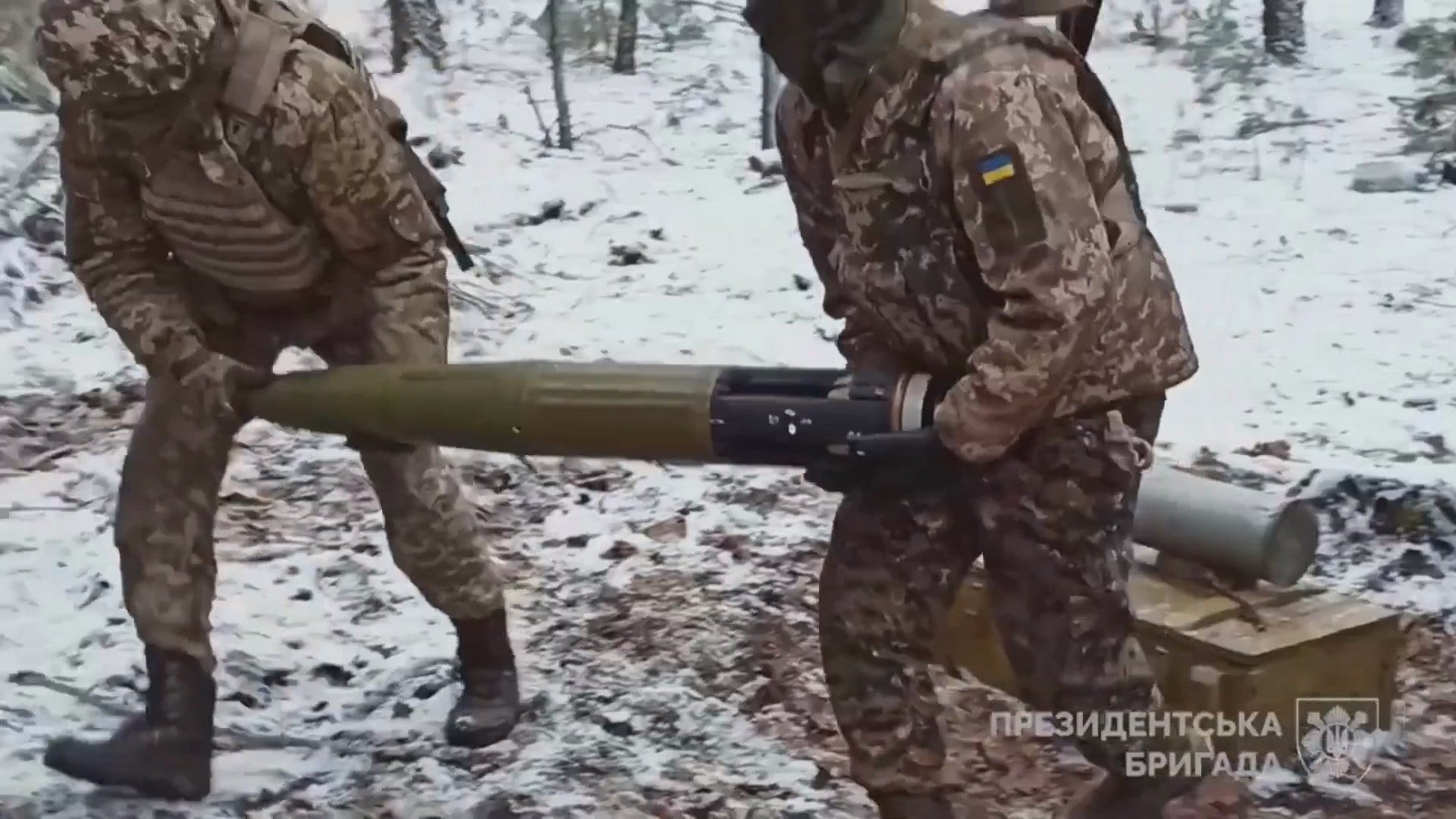
The reason for the drop in effectiveness is because using a laser designator on the ground is extremely difficult in the present combat environment. A target can be illuminated at 5-7 km during the day and 4 km at night, but before a targeting crew can conduct their mission they are usually detected by Ukrainian drones and attacked.
Because of this, the Russians started using drones to illuminate the targets, but Ukrainian jamming will interfere with the control of the illuminating drone either permanently or periodically, which leads to loss of illumination on the target and the failure of round to hit it. This accounts for 75-80% of all the Krasnopol rounds that fail. The rest of the reasons are failure of the drone crew to activate the laser in time, terrain that blocks the laser from painting the target, and weather conditions, such as clouds or fog that block the laser signal.
The Russians plan to solve these problems by making the drones immune to jamming by using fiber optic cable, and they plan to add satellite navigation capabilities to the shell. This, after the Excalibur was reduced to a 6% accuracy rate after the GPS signals were jammed, but there is a report that Krasnopol rounds are more resistant to jamming than Excalibur.
In 2022, the Russians used a large number of Krasnopol shells but by the start of the Avdiivka offensive in October 2023, those stockpiles were largely gone. Even though Avdiivka was a major objective, most Russian artillery units there usually received 3-5 shells a month, although some units received ten shells a month. Two months earlier, Russian announced it was increasing the production of the round and improving its ability to function in poor weather.
Ukraine is now testing its own domestically produced laser-guided round, the Barvinok-K. Originally derived from the Krasnopol, they removed all Russian components and built their own. The timeline for when it will be produced was not announced.
Syrsky
Here is another opinion that says Syrsky should go. I only talk about him a lot because he is the source of so many avoidable problems. If any of you find articles that support Syrsky, please send them to me.
The author’s opinion is that when Syrsky took over, the battle for Avdiivka was being fought, Ukraine held Vuhledar and Krasnohorivka as fortress towns, the Russians had not advanced towards Toretsk, and there was fighting in Serebryansky forest. Syrsky dismissed 20 experienced leaders from the General Staff and several brigade commanders, which resulted in confusion on the front, botched rotations and the loss of positions. His Soviet doctrine mindset and micromanagement leads to high Ukrainian casualties, which is the most important military resource.
He values loyalty over competence in commanders. The Air Assault troops are no longer used as the fire brigades, they are simply infantry line units now. They have been replaced by assault regiments that receive preferential treatment for replacements and equipment, all while mechanized brigade are operating at 30% strength. The Territorial Defense brigades are in even worse shape.
Kursk started off well with much promise, but had no viable objective. As usual, the forces stayed in untenable positions too long and suffered unnecessary and avoidable casualties.
This author criticized the disbandment of the 67th Mechanized Brigade, saying it was because they dared question Syrsky’s orders, but I disagree with that. The unit was composed of Right Sector volunteer units and there were multiple reports that they saw themselves as separate from the Ukrainian army. Replacements that were not Right Sector supporters were sent to do dangerous jobs, whereas the Right Sector volunteers were protected. Part of the Da Vinci Wolves left the brigade to join the 59th Brigade. Syrsky was right to disband the brigade, disperse the soldiers to other units and reconstitute it.
The author maintains that Zaluzhny was fired because Zelensky preferred Syrsky and that dismissing Syrsky would be a political loss for Zelensky.
In other news, Syrsky says that the Ukrainian armed forces will soon conduct an offensive because victory cannot be achieved through defense. He says the only issues that need to be resolved are mobilization and reserves.
That has been an issue for quite some time now. He plans to solve it by returning all those that left their units without permission and sending them to front line units. He will also will also increase mobilization to generate an influx of new recruits.
As if it were that simple.
The reason so many have left their position without authorization is that some brigade leadership is not trusted and there is no trust in the senior leadership. Inept leadership caused needless casualties so people left. This weakened units, which led to more casualties. And the spiral continued. The solution is to improve the leadership, but the people able to make that decision are part of the problem.
Ukraine has the resources to conduct limited operational offenses, which would be very useful. Some of the effective brigades conducted these types of operations on their own. But the army doesn’t have the leadership and organization to effectively conduct one right now.
Good work Don, thank you 👍🏻
The tecnical part about laser guided, Can be the intro of a book!
Thanks for this dossier.
Is obvious for all now, i suppose the Iranian Russian connection is not so narrow. In the future some BRICS realated issues can be more easy to see to.
By the way, the Iranian ship in the caspian, usually sinks themselves?